First Backyard Ultramarathon - What I Learned
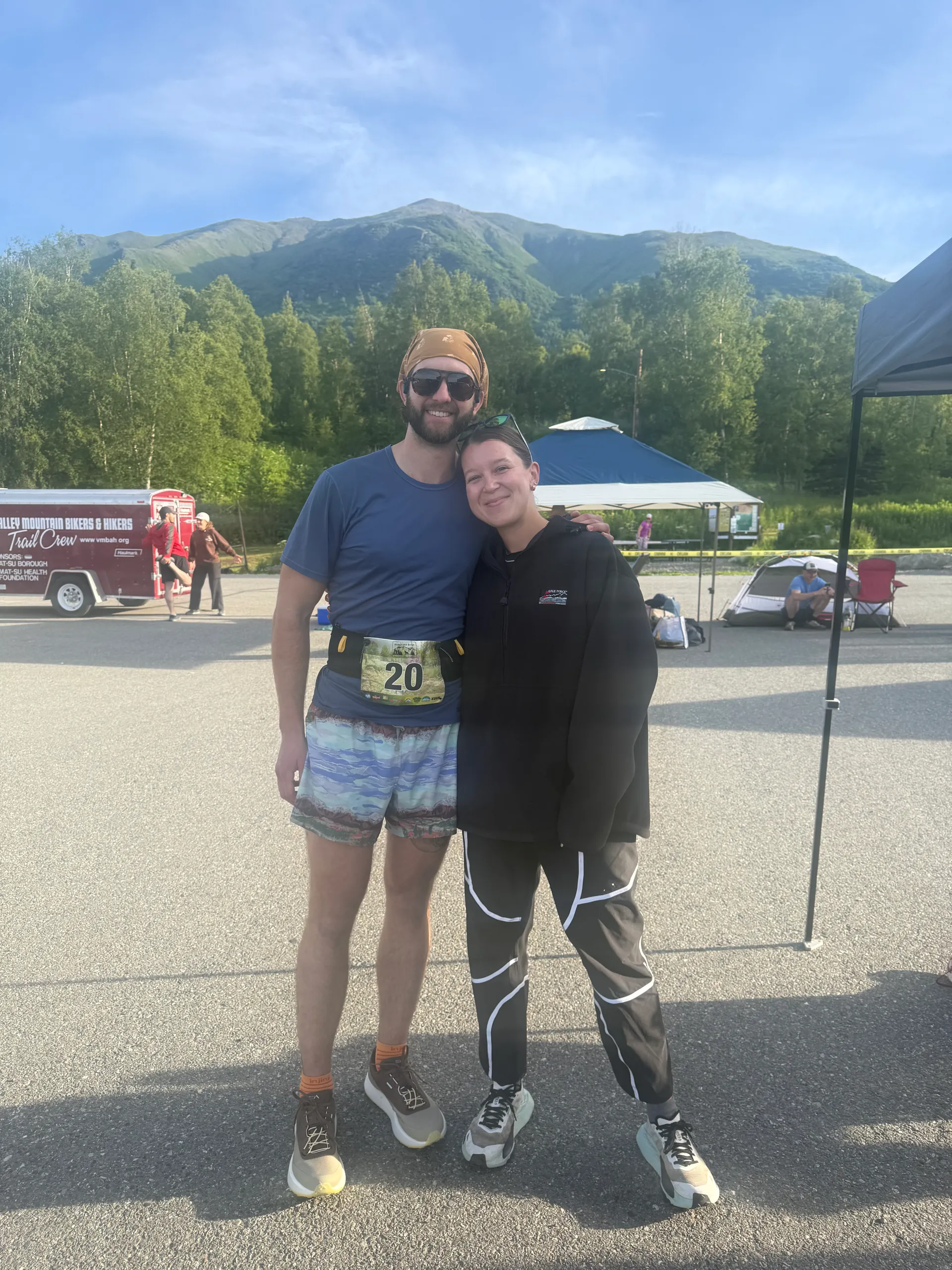
- You cannot do it alone! There is no substitution for a good crew. From sock changes to soft flask fills to moral support, having a crew of even one person is invaluable. My wife Hayden took so much off my plate during the race that I could just focus on running and consuming. Thank your crew always and often because they do everything except run the miles.
- Find your “why”. Family, friends, a cause or charity, or simply to see what’s possible. What’s the reason you’re out there. I often found myself thinking of memories, good and bad, and how they’ve lead to this point in my life. I also wanted to show myself that in this moment I am different than I was yesterday, last week, last year, 10 years ago. Your “why” is what keeps your head right when things get tough.
- Be over prepared for conditions, weather, and circumstances. Have several food and drink options. Bring 2-3 pairs of shoes that you’ve tested on long runs. Vests, belts, hats, shirts, and shorts should all be tested prior to race day, and many options should be brought in the event that something just doesn’t feel right, and you need a change. It’s always better to bring more and use less, than bring less and need more. Easy way for an early exit.
- Fueling and hydration are paramount. I found myself saying in my head, “The only way you are staying in this race is if you hammer this gel.” Eating some form of “real food” in between laps is also just as important. Liquid calories/carbs were huge late in the race when it was getting harder to stomach real food. Sip instead of gulp. Eat eat eat. Which leads to my next point.
- Gut training on long training runs will teach your body to handle the carbs and calories necessary to stay moving late in an ultra. Try different gels, bars, drink mixes, etc. and find a few that sit well with you and have flavors you like. Start with 40-50g an hour, then when that becomes natural and easier to handle, move up incrementally. I was consuming about 60-80g carbs per hour for almost 20 hours.
- Understand the difference between pain and injury. Pain is simple: it hurts, it aches, but it’s just pain. However, acute, sharp shooting sensations are dangerous and should send warning signals to your brain. Any prior injury history is also important to take into account. Take those seriously and assess yourself. Find that line between pain and injury, and make decisions as based on your assessment.
- Strength training and mobility create durability, which equates to the ability to keep moving and avoid injury. Runner specific strength training like squats, lunges, step ups/downs, and core work help your muscles create a greater capacity to handle long efforts. I will also say that hot yoga, specifically bikram yoga, has changed my life and recovery.
- Deal with issues immediately! If you feel a hot spot from your shoe rubbing, change your shoes or socks. If you feel a chafe starting, reapply ointment or change your gear. Handle problems before they become problems. Another easy way to an early exit.
- Walking and hiking are essential parts of an ultramarathon. In my opinion, unless you are an elite mountain runner, it is not sustainable to run inclines or climbs that push your heart rate into an unsustainable place. Especially if your goal is to hang around late into the race. Practice hiking and walking during long runs with climbs.
- Smile, even if for no reason at all. This one was simple; when things started to hurt, I’d smile and think, “How awesome is it that I get to be out here.” It’s crazy what a smile can do for your mental state.
Type to search. Use arrow keys to navigate results. Press enter to view all results.