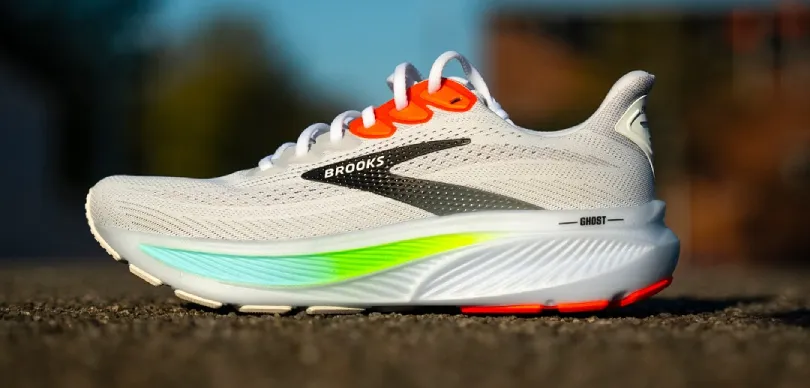
How to Choose the Right Shoe: Understanding Cushioning, Stability, and Fit.
When it comes to choosing the right shoe, most people think it’s all about comfort. While comfort is important, the why behind that comfort matters even more. The right shoe should work with your foot—not against it.
At Springfield Running Center, we don’t just match you with a shoe—we match you with the right type of shoe for your movement, your foot shape, and your daily activity. Whether you're running, walking, working long hours, or dealing with foot pain, understanding how shoes are built can make all the difference.
___________________________________________________________________________________________
WHAT IS A STABILITY SHOE?
A stability shoe is designed to guide your foot through a more efficient stride by limiting excessive inward rolling (overpronation).
Instead of using stiff posts like older shoes, modern stability shoes use:
-
Guidance systems
-
Wider bases
-
Sidewall support
-
Structured foam geometry
This creates a smoother, more natural correction.
Example:
-
Shoes like the ASICS Gel-Kayano or Brooks GTS series help keep your foot aligned without feeling overly rigid.
Why this matters:
Without proper support, overpronation can contribute to:
-
Plantar fasciitis
-
Knee pain
-
Achilles issues
-
General foot fatigue
STACK HEIGHT: WHAT DOES IT MEAN?
Stack height refers to how much material (foam) sits between your foot and the ground.
-
Higher stack height = more cushion and impact absorption
-
Lower stack height = more ground feel and responsiveness
But here’s the key…
More cushion does NOT always mean more stability.
FOAM TYPES: NOT ALL CUSHION IS THE SAME
Different brands use different foam compounds, and this dramatically changes how a shoe feels and performs.
Soft & Plush Foams
-
Found in max-cushion shoes
-
Prioritize comfort and shock absorption
-
Great for long days on your feet
Example:
-
HOKA Bondi 9 – extremely soft and cushioned, designed to reduce impact stress
Balanced / Responsive Foams
-
Blend cushioning with structure
-
Feel stable while still absorbing impact
Example:
-
Brooks Ghost Max 3 – still cushioned, but more stable due to foam density and base design
Performance Foams
-
Lightweight and responsive
-
Designed for speed and efficiency
Example:
-
Race-day or tempo shoes: ASICS Metaspeed Sky/Edge
WHY TWO SHOES WITH THE SAME STACK HEIGHT CAN FEEL DIFFERENT
This is one of the biggest misconceptions customers have.
Take this example:
-
HOKA Bondi 9
-
Brooks Ghost Max 3
They may look similar in height, but:
-
The Bondi uses a softer, more compressive foam → feels squishier and less stable
-
The Ghost Max uses a more structured foam and wider platform → feels more stable
So even with similar stack heights:
-
One can feel like a pillow
-
The other can feel like a stable platform
HOW CUSHION HELPS ON HARD SURFACES
Running or walking on pavement creates repetitive impact forces on your body.
Proper cushioning helps:
-
Absorb shock
-
Reduce stress on joints (knees, hips, ankles)
-
Improve comfort over longer periods
-
Delay fatigue
This is especially important for:
-
People on their feet all day
-
Walkers
-
Runners logging high mileage
-
Individuals dealing with joint pain or arthritis
THE IMPORTANCE OF BALANCE: CUSHION + SUPPORT
The goal isn’t just maximum cushion or maximum support—it’s the right combination for YOU.
Too soft without support → can feel unstable
Too firm without cushion → can feel harsh on joints
That’s why at Springfield Running Center, we:
-
Analyze your gait
-
Look at your arch and foot shape
-
Listen to your needs (pain, activity, lifestyle)
-
Match you with the right category of shoe
FINAL THOUGHT: THERE IS NO “BEST SHOE”
The best shoe isn’t the most expensive or the most cushioned—it’s the one that fits your foot, your movement, and your lifestyle.
Whether you need:
-
Stability for overpronation
-
Cushion for long days
-
Support for pain relief
-
Or versatility for everyday wear
We’re here to help you find it.
Stop by Springfield Running Center and let our team help you find the perfect fit.
Whether you're a runner, walker, healthcare worker, or just looking for all-day comfort—we’ve got you covered.